
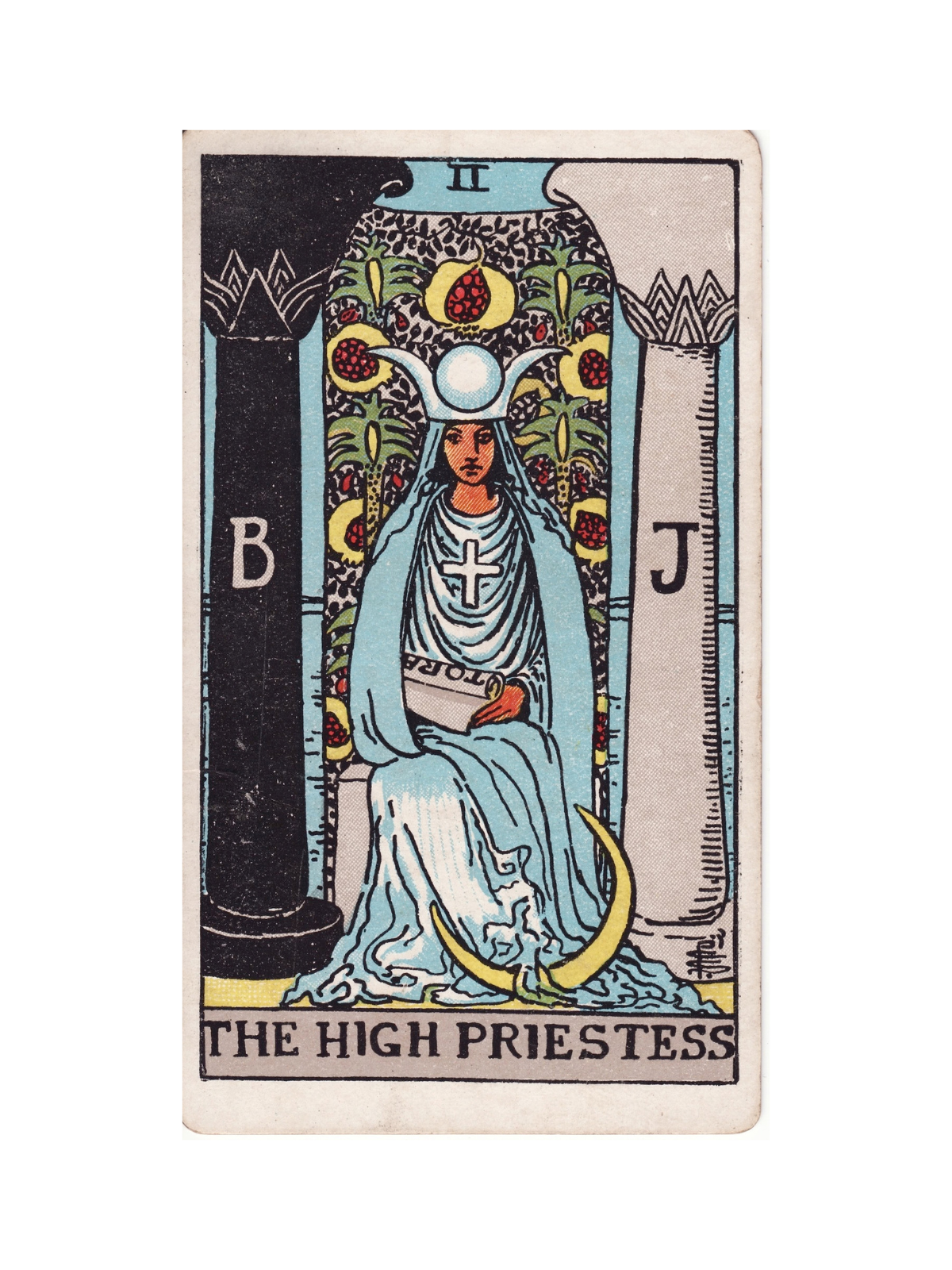
The High Priestess, card 2 of the Major Arcana. Intuition, inner wisdom, and the quiet knowing that lives beneath the surface.
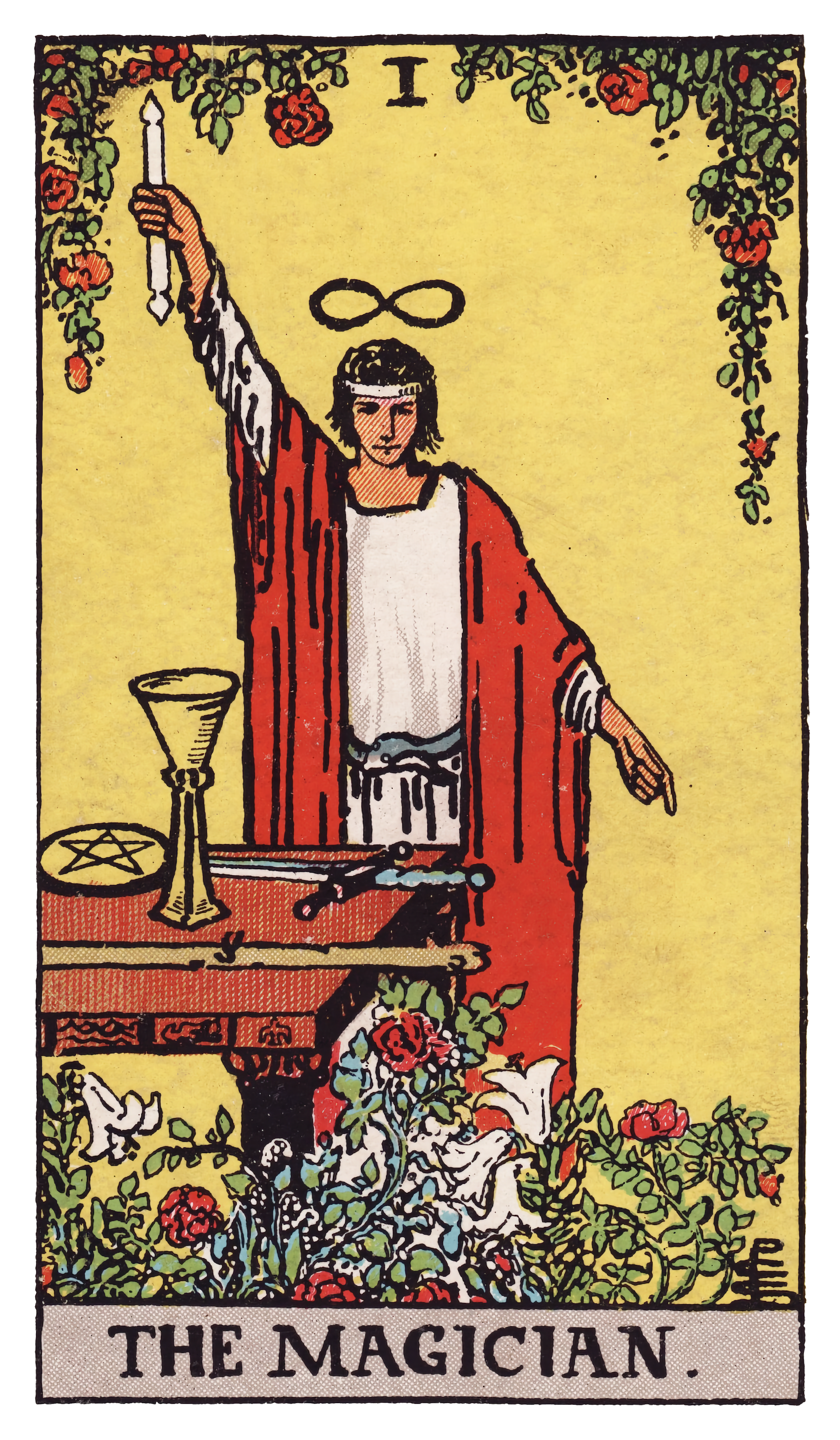
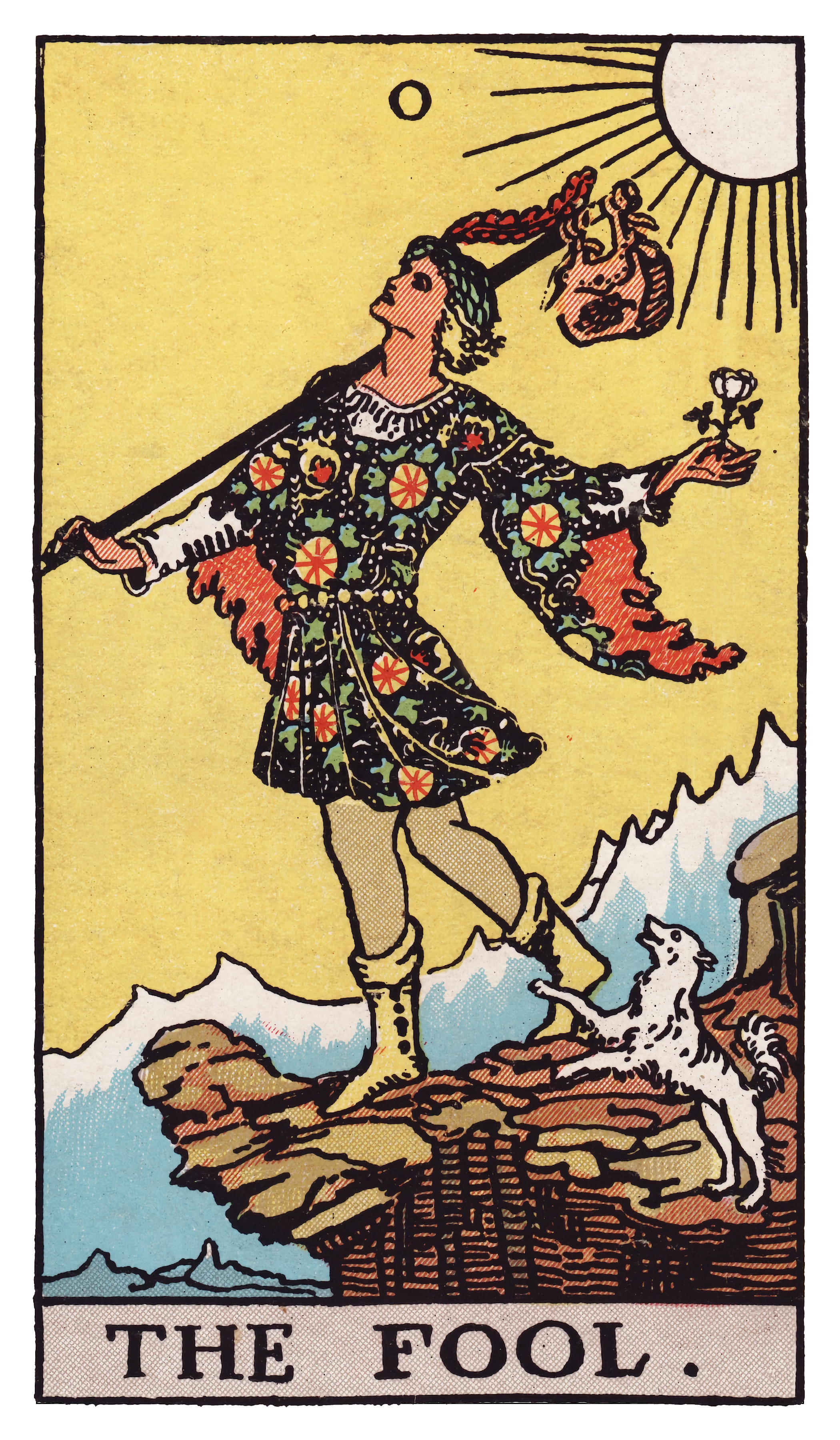
This post continues our journey through the Major Arcana, one card at a time. If you have not read the Major Arcana overview yet, that is a good place to start before diving into individual cards. We began with The Fool, who steps into the unknown with nothing but trust, and then met The Magician, who realizes he already holds every tool he needs. Now we arrive at card two, The High Priestess, and a very different kind of power. Where The Magician acts, The High Priestess listens. As always, everything here follows the Rider-Waite tarot.
The Card at a Glance
- Number: 2
- Keywords: Intuition, inner wisdom, mystery, the subconscious, stillness, sacred knowledge
- Element: Water
- Reversed Keywords: Ignored intuition, secrets, disconnection, confusion, surface-level thinking
- Yes or No: Maybe, or not yet
What You See in the Card
The High Priestess sits calmly on a stone seat between two tall pillars, one black and one white. She wears a flowing blue robe, a white crown shaped like a full moon held between two crescents, and a solar cross on her chest. In her lap, partly hidden by her robe, she holds a scroll marked with the letters TORA. A crescent moon rests at her feet. Behind her hangs a veil decorated with palm leaves and pomegranates, and if you look closely, you can just glimpse water beyond it.
Where The Magician stands with his arm raised, busy and bold, The High Priestess is completely still. She is not doing anything. She is simply knowing. At first glance, the card can feel distant or hard to read. Look a little longer, and you start to realize that is exactly the point. She keeps her secrets until you are ready to understand them.
The Symbolism, Piece by Piece
The black and white pillars. These pillars are marked B and J, for Boaz and Jachin, the two pillars that stood at the entrance of Solomon’s Temple. The black pillar is often read as the passive, receptive side of life, and the white pillar as the active, expressive side. The High Priestess sits between them, holding the balance. She reminds us that truth is rarely found at one extreme. It lives in the space between.
The veil. The veil behind her separates the everyday world from the deeper mysteries. It does not block the way completely, though. You can see the water behind it. The High Priestess guards the threshold to hidden knowledge, but she does not lock the door. The way through is open to anyone willing to go quiet and look within.
The pomegranates. The pomegranates on the veil are symbols of fertility, abundance, and the feminine. They also connect to the myth of Persephone, who ate pomegranate seeds in the underworld and was bound to return there each year. Pomegranates remind us that some wisdom can only be found by going beneath the surface.
The scroll. The scroll in her lap reads TORA, which can be read as Torah (divine law) or as a play on the word “tarot” itself. It is only partly visible, tucked into her robe. Sacred knowledge is not handed out freely. It is revealed a little at a time, as we become ready for it.
The crescent moon. The moon at her feet ties The High Priestess to intuition, cycles, dreams, and the subconscious. In Part 8 of my Tarot Symbolism Series on celestial symbols, the moon speaks to reflection and the hidden side of things. The Magician is lit by the bright light of day. The High Priestess belongs to the moonlight.
The blue robe. In the language of tarot colors, blue speaks to calm, truth, and the deep waters of emotion and intuition. Her robe seems to flow down into the water at the bottom of the card, as if she and the water are one. This is why she is so strongly linked to the element of Water.
The triple crown. Her crown shows the moon in its waxing, full, and waning phases. It is a reminder that intuition, like the moon, moves in cycles. Some seasons of life are for growing, some for fullness, and some for letting go.
The solar cross. The equal-armed cross on her chest represents balance between the four elements and between the spiritual and physical worlds. Even in her quiet, she is centered and whole.
Why Two Matters: The Numerology of The High Priestess
In Part 1 of my Tarot Symbolism Series on numerology, the number two carries the energy of balance, duality, partnership, and receptivity. Where One is the single spark of will, Two is the moment we become aware that there is something other than ourselves. It is the number of choices, reflection, and relationship.
The High Priestess embodies this beautifully. She sits between two pillars, one light and one dark, and she does not choose one over the other. She holds them both. In the Minor Arcana, the Twos often speak of decisions, partnerships, and finding balance. The High Priestess brings that energy to a spiritual level. She asks us to pause between opposites and listen before we act.
This also completes a lovely pairing with The Magician. The Magician is One: outward, active, and expressive. The High Priestess is Two: inward, receptive, and reflective. Together they show the two ways of working with power. One makes things happen. The other lets things be revealed.
The High Priestess Upright
When The High Priestess appears upright in a reading, she is asking you to trust your intuition. You may already know the answer to your question, even if you cannot explain how you know it. This card encourages you to slow down, get quiet, and pay attention to your dreams, your gut feelings, and the small signs around you.
The High Priestess is not a card of action. She is a card of listening. If you have been searching outside yourself for answers, looking to other people, to research, or to endless advice, she gently turns you back inward. Not everything needs to be figured out right now. Sometimes the wisest move is to wait and let more be revealed.
She can also point to hidden information. Something about your situation may not be fully visible yet. That is not always a warning. Often it simply means the full picture will come in its own time.
The High Priestess Reversed
Reversed, The High Priestess’s energy tends to show up in one of two ways, and your intuition (fittingly) along with the surrounding cards will help you sense which one applies. If you are still getting comfortable with reversals, my post on reading both sides of the card is a good companion to this section.
The first is disconnection from your intuition. This is when your inner voice is speaking, but you are too busy, too anxious, or too distracted to hear it. It can also mean second-guessing yourself or letting other people’s opinions drown out your own knowing. The reversed High Priestess often asks, “When did you stop trusting yourself?”
The second is secrets and hidden agendas. Something may be kept from you, or you may be keeping something from yourself. This can point to gossip, withheld information, or a situation where things are not what they seem. It is a reminder to look beneath the surface before making decisions.
The High Priestess in Love, Career, and Finances
Love
For someone single, The High Priestess can point to a mysterious attraction or someone who is hard to read. It may also suggest that this is a time to reconnect with yourself before looking outward for love. In an existing relationship, she invites deeper emotional and spiritual connection, and she asks you to trust what your intuition tells you about your partner. Reversed, she can point to secrets in a relationship, emotional distance, or ignoring red flags you already sensed.
Career
In career readings, The High Priestess advises patience and discretion. It may not be the right time to make a big move, but it is a good time to gather information, observe, and trust your instincts about people and situations at work. She can also point to careers involving counseling, healing, research, teaching, or spiritual work. Reversed, she may warn of office politics, hidden information, or ignoring your gut about a job or coworker.
Finances
Financially, The High Priestess asks you to trust your instincts but also to look for what is not being said. Before signing anything or investing, make sure you have the full picture. She favors quiet planning over bold moves. Reversed, she can caution against financial decisions made without all the facts, or warn that something hidden could affect your money.
Is The High Priestess a Yes or No Card?
Upright, The High Priestess is usually read as a maybe, or more accurately, not yet. She suggests the answer is not fully revealed. If you already feel a strong inner yes or no, she is telling you to trust it. If you do not, she asks you to wait and let the situation unfold.
Reversed, The High Priestess leans toward no. Something may be hidden, unclear, or out of alignment, and it is wise to look more closely before moving forward.
When The High Priestess Shows Up in Your Reading
Because The High Priestess is a Major Arcana card, her appearance signals that your intuition and inner life are playing an important role in your situation. Pay attention to where she lands in a spread. In a past position, she may point to a time when you trusted (or ignored) your instincts. In a present position, the answer you are looking for may already be within you. In a future or outcome position, more will be revealed, and patience will serve you well.
Here are a few questions to sit with when The High Priestess comes up for you:
- What is my intuition trying to tell me right now?
- Where am I looking outside myself for answers I already have?
- What might still be hidden in this situation?
- How can I create more quiet space in my life to listen?
Final Thoughts
The High Priestess reminds us that not all wisdom comes from doing. Some of it comes from stillness, from dreams, and from the quiet voice inside that knows more than we give it credit for. After The Magician shows us our tools, The High Priestess shows us where to find the wisdom to use them well. When she appears, she invites you to slow down, sit between the pillars, and trust what you already know.
Listening for Your Own Inner Voice?
If you are standing at a crossroads and want help sorting through what your intuition is telling you, I would love to read for you. You can order a tarot card reading by email anytime.
Coming Up Next
Next time, we’ll meet The Empress, card three, and explore what it means to nurture, create, and let abundance grow.
Has The High Priestess ever shown up when you needed to trust your gut? I’d love to hear about it in the comments.
Kim’s Esoteric Tarot Journals
Tarot readings are intended for adults age 18 and older and are provided for entertainment and personal reflection. Tarot should not replace professional medical, legal, mental health, or financial advice.
© 2026 Kim’s Esoteric Tarot Journals. All rights reserved.
 Kim's Esoteric Tarot Journals
